
Sea Turtles are laying eggs earlier in response to climate change
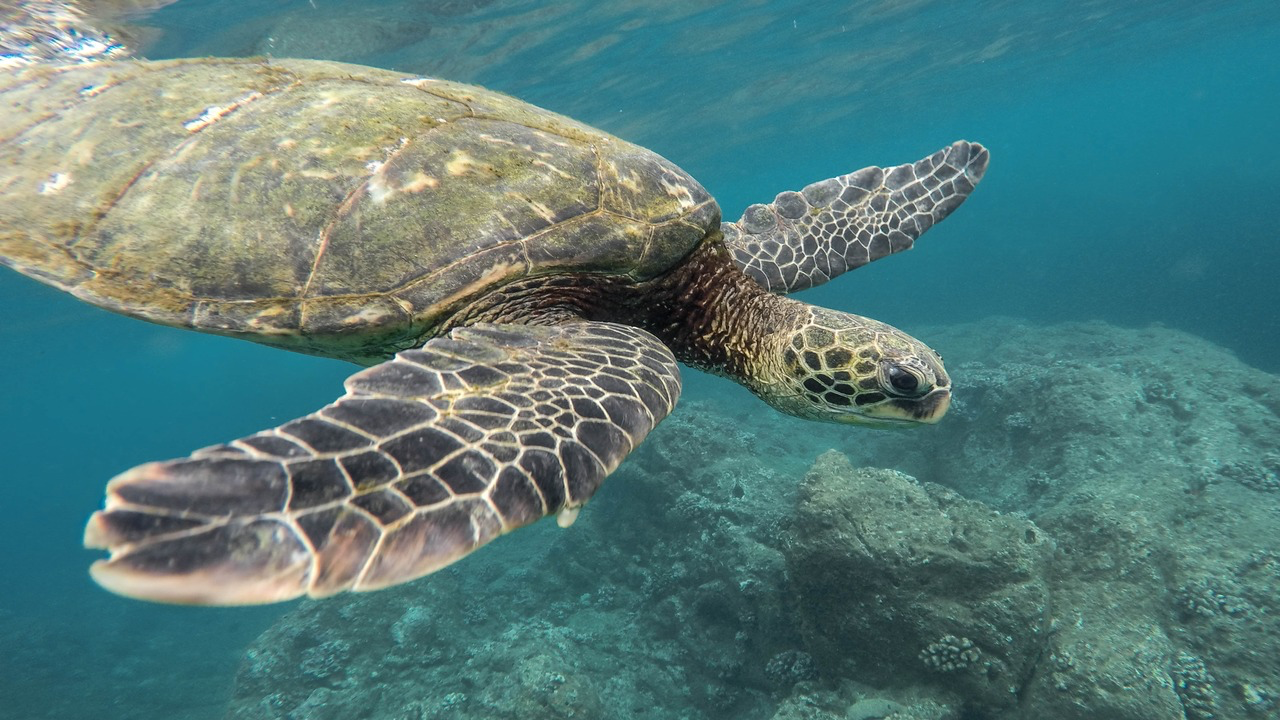
Sea Turtles Adjusting to Climate Change by Nesting Earlier
On March 7th, 2025, researchers monitoring the breeding habits of green and loggerhead turtles in Cyprus found that sea turtles are nesting earlier in response to rising temperatures. This adaptation is an effort to compensate for climate change. The phenomenon, known as ‘natal philopatry,’ involves turtles returning to the area where they were born to nest, a behavior that has been changing over the last three years.
Temperature's Influence on Nesting and Hatching
The study highlights the crucial role temperature plays in the nesting and hatching process of sea turtles. In these species, temperature determines the biological sex of the offspring, with warmer conditions resulting in more female hatchlings. However, when temperatures get too high, the hatching success rate is affected. Additionally, for each 1°C rise in sea temperature, sea turtles are laying eggs 6 days earlier.
Individual Adjustments to Rising Temperatures
To understand how turtles are adapting, a team from the University of Exeter, led by conservation ecologist Annette Broderick, analyzed three decades of data from around 600 tagged sea turtles on the beaches of Northern Cyprus. The findings showed that individual females are laying eggs earlier as temperatures rise, with nests being laid just over six days sooner. This study confirms that individual turtles are adjusting their nesting times in response to climate change, as opposed to population-wide shifts alone.